System migrations
Moving services from end-of-life systems, recreating their configuration on a supported platform and switching traffic in a controlled way.

SYSTEMS / PRODUCTION OPERATIONS
I bring Linux environments into order, migrate services from older systems, containerise applications and build a safe path from configuration to monitoring, backups and rollback.
APPROACH
A server is part of a wider system: DNS, certificates, a firewall, storage, dependent services, monitoring, backups and operational procedures. Changing one element can affect the whole chain.
Before a migration, I inventory services, ports, data, dependencies and startup methods. The new environment is built in parallel, tested and only then takes over traffic.
A deployment is complete only when health checks, logs, backups, a recovery plan and clear instructions for subsequent updates are in place.
AREAS OF EXPERTISE
The scope follows your goal and the current state of the environment. We can start with a single issue or a complete project.
Moving services from end-of-life systems, recreating their configuration on a supported platform and switching traffic in a controlled way.
Docker Compose, process isolation, read-only filesystems, health checks, restricted privileges and predictable releases.
Nginx, Let's Encrypt certificates, security headers, caching, request limits and support for multiple domains.
Monitoring, logrotate, backups, retention, smoke tests, rollback and documentation for everyday maintenance.
WHAT YOU RECEIVE
A deployment should be verifiable, maintainable and safe to develop further.
An inventory of services, ports, processes, data and dependencies.
The target architecture for the host, containers, network and reverse proxy.
Scripts for deployment, updates, backups, smoke tests and rollback.
Configuration of TLS, logging, log rotation and basic hardening.
A production runbook and checklists for cutover and recovery.
HOW I WORK
I review services, data, dependencies, resource usage and the limitations of the old host.
I prepare the target system without interfering with the running production environment.
I test the application, network, certificates, backups and behaviour behind the reverse proxy.
I switch traffic, watch the metrics and keep a ready rollback plan.
WHEN IT HELPS
You do not need a finished specification. A specific problem, risk or desired outcome is enough.
RELATED WORK
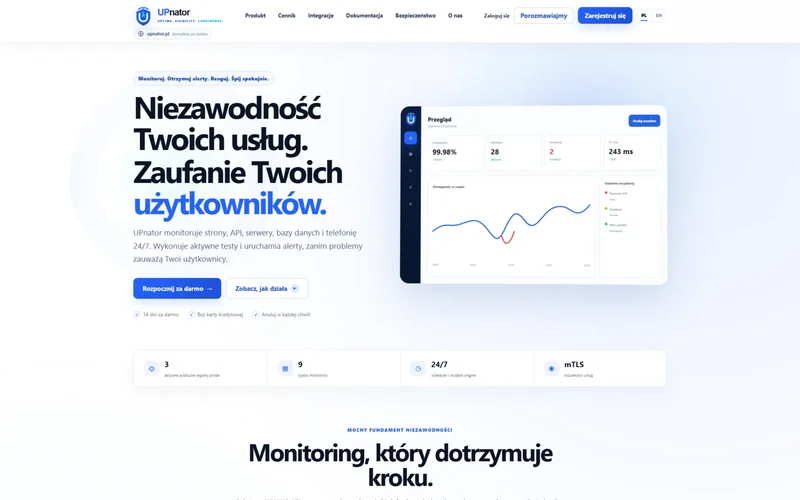
MONITORING / OBSERVABILITY
A monitoring and reliability platform for websites, APIs, servers, databases and telephony, with alerts, status pages, incident history and SLO reports.
Read the case study →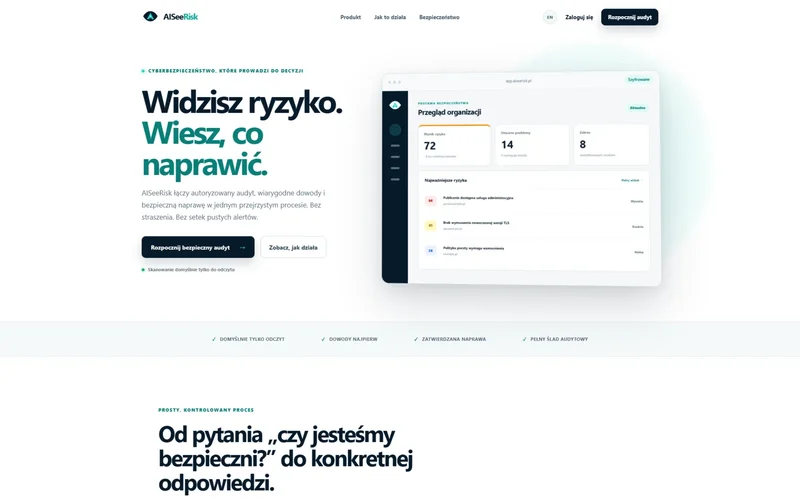
CYBERSECURITY / AI / EVIDENCE
A security audit platform combining an authorised scope, reliable evidence, risk prioritisation and controlled remediation with subsequent verification.
Read the case study →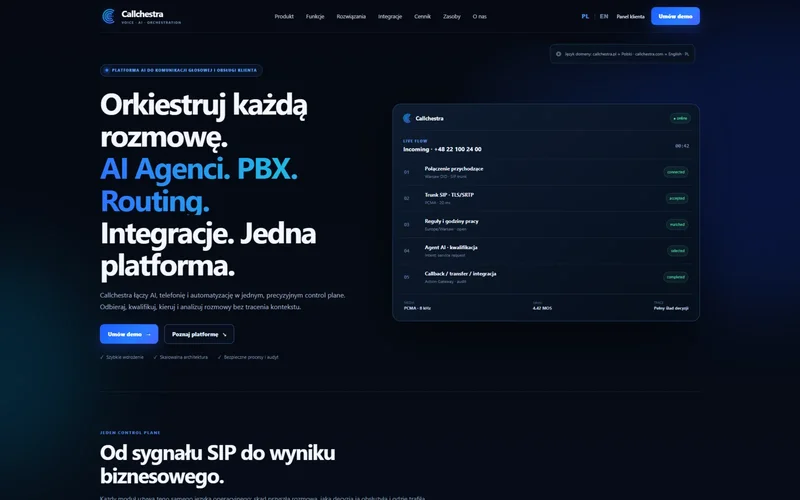
AI / VOIP / COMMUNICATION PLATFORM
A business communication orchestration platform combining AI agents, PBX, routing, workflows, call analytics and integrations in one controlled environment.
Read the case study →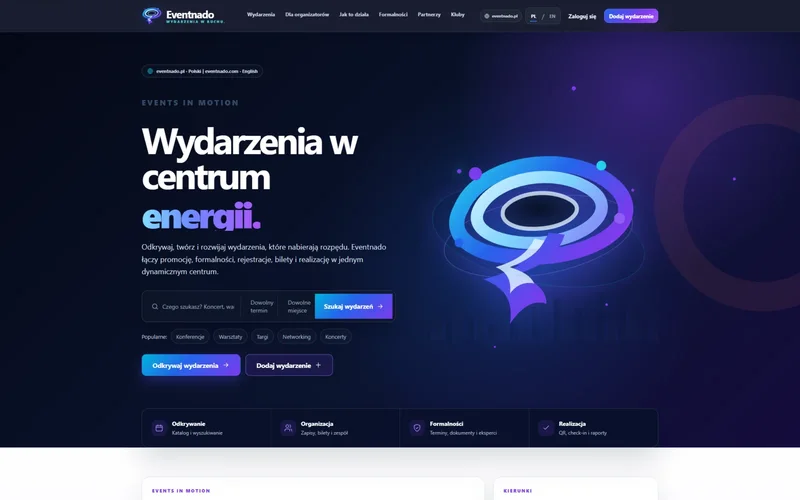
EVENTS / ORGANIZER PLATFORM
A two-sided event platform combining a catalogue and search for attendees with planning, administrative requirements, registration and event operations for organisers.
Read the case study →
HEALTHCARE / BOOKING
A psychology practice website combining a calm presentation of its services, appointment booking, contact forms and tools for everyday administration.
Read the case study →
E-COMMERCE / HANDMADE
An online shop for handmade crafts, scrapbooking and mixed media, designed around detailed product presentation, straightforward purchasing and everyday catalogue management.
Read the case study →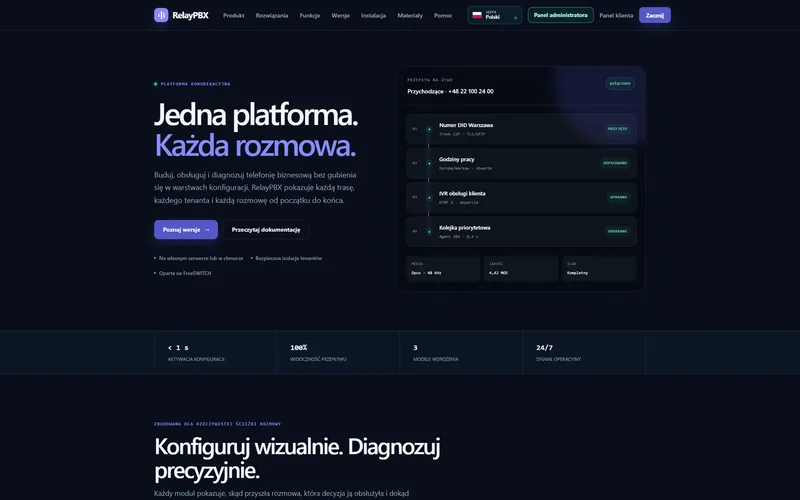
VOIP / COMMUNICATION PLATFORM
A platform for building and operating business telephony, combining visual configuration, routing, tenants, SIP diagnostics and different deployment models.
Read the case study →FAQ
Usually not during preparation. The target environment is built in parallel, and downtime is limited to the final synchronisation and traffic cutover.
No. Containers are used where they simplify releases and isolation. System services or specialised components can remain managed by systemd.
Yes. The scope can include reverse proxies, redirects, upload limits, caching, security headers, Let's Encrypt and a certificate renewal test.
The deployment process should stop the release and restore the previous image or configuration. Rollback is designed before the cutover, not after a failure.
NEXT STEP
We will start with an inventory and risk assessment, then prepare the target environment, tests, cutover and rollback scenario.