Exposure review
Services, ports, DNS, reverse proxies, HTTP headers, certificates, accounts and administrative access paths.

SECURITY / HARDENING
I analyse service exposure, system and application configuration, scan results and access paths. Recommendations aim to reduce risk without accidentally cutting off production.
APPROACH
A scanner's list of recommendations does not show the whole picture. The same vulnerability can have a different priority depending on exposure, data, compensating controls and the service's role in the environment.
First, I establish the attack surface, traffic flows, accounts and permissions, the update process and recovery options. Only then do I select the changes and their order.
Every significant modification should have a test, a deployment window and a rollback plan. The aim is measurable risk reduction, rather than the largest number of ticked boxes.
AREAS OF EXPERTISE
The scope follows your goal and the current state of the environment. We can start with a single issue or a complete project.
Services, ports, DNS, reverse proxies, HTTP headers, certificates, accounts and administrative access paths.
SSH, firewalls, permissions, updates, containers, secrets, logging and restricted capabilities.
Verification of vulnerabilities, elimination of false positives, impact assessment and a remediation plan ordered by risk.
CSP, rate limiting, HSTS, form protection, host validation, data minimisation and safe rollback.
WHAT YOU RECEIVE
A deployment should be verifiable, maintainable and safe to develop further.
A map of exposure and the most important system access paths.
Findings with priorities, impact and recommended fixes.
Hardening changes to system, reverse proxy or container configuration.
Tests confirming the fix is effective and has not caused functional regressions.
A maintenance plan covering updates, log retention, reviews and responsibilities.
HOW I WORK
I establish the data involved, exposure, service criticality and operational constraints.
I check findings manually and compare them with the actual configuration.
I order actions by risk, cost and likelihood of regression.
I implement or describe fixes, including a test and a rollback method.
WHEN IT HELPS
You do not need a finished specification. A specific problem, risk or desired outcome is enough.
RELATED WORK
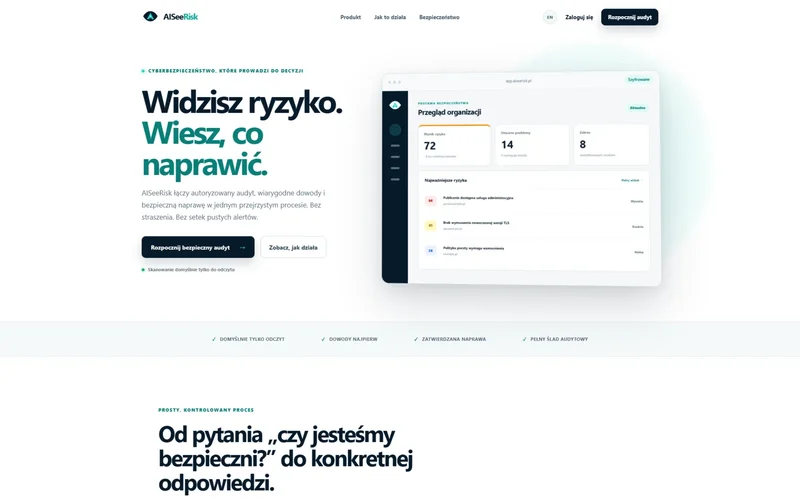
CYBERSECURITY / AI / EVIDENCE
A security audit platform combining an authorised scope, reliable evidence, risk prioritisation and controlled remediation with subsequent verification.
Read the case study →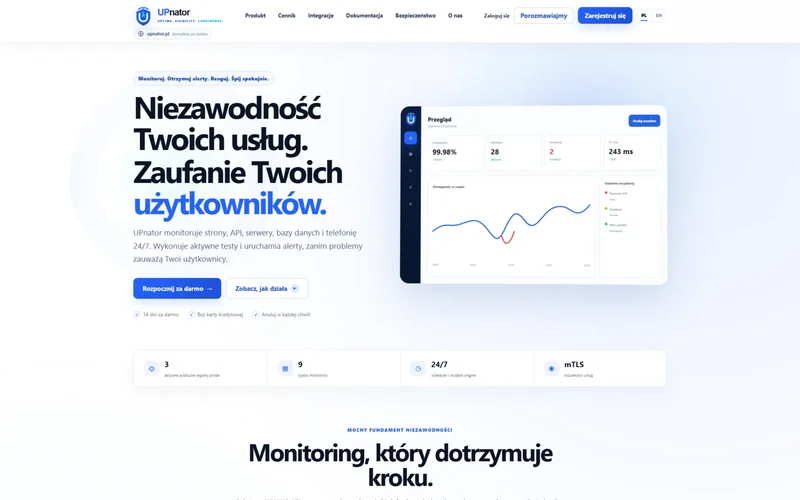
MONITORING / OBSERVABILITY
A monitoring and reliability platform for websites, APIs, servers, databases and telephony, with alerts, status pages, incident history and SLO reports.
Read the case study →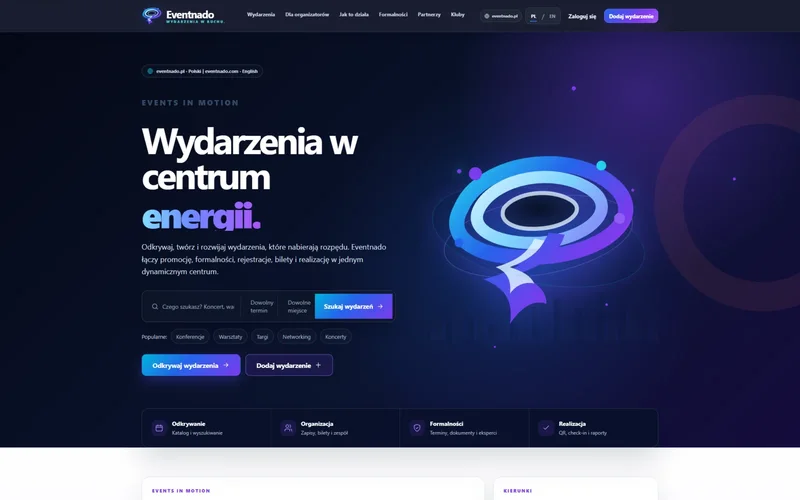
EVENTS / ORGANIZER PLATFORM
A two-sided event platform combining a catalogue and search for attendees with planning, administrative requirements, registration and event operations for organisers.
Read the case study →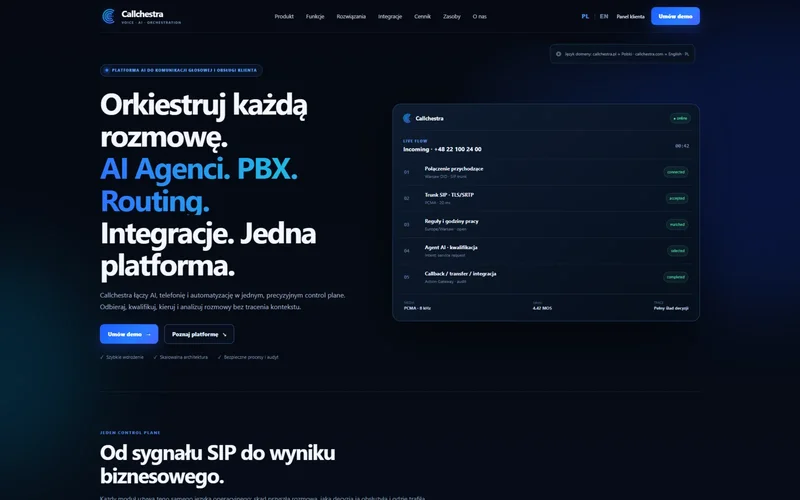
AI / VOIP / COMMUNICATION PLATFORM
A business communication orchestration platform combining AI agents, PBX, routing, workflows, call analytics and integrations in one controlled environment.
Read the case study →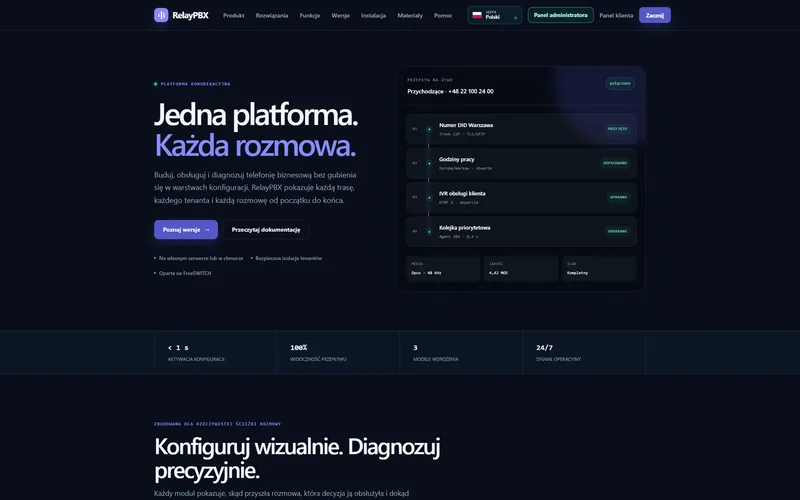
VOIP / COMMUNICATION PLATFORM
A platform for building and operating business telephony, combining visual configuration, routing, tenants, SIP diagnostics and different deployment models.
Read the case study →
COMMUNITY / AUTOMOTIVE
A community for car projects with vehicle profiles, modification histories, rankings, categories, a Spotted module and engagement features.
Read the case study →
HEALTHCARE / BOOKING
A psychology practice website combining a calm presentation of its services, appointment booking, contact forms and tools for everyday administration.
Read the case study →FAQ
Not always. The result needs verification, exposure and dependencies need checking, and regression risk needs assessment. An automated list does not know the full production context.
Yes. That is why SSH, firewall and network changes require a second session, tested emergency access and a staged rollout.
The focus is on configuration reviews, exposure analysis, verification of scan results and remediation. A full offensive penetration test requires a separately agreed scope and rules.
Only data needed for the service is collected. Logs and messages should not contain additional information unless it is necessary for diagnostics or handling an enquiry.
NEXT STEP
Let's establish exposure, priorities and a safe order of changes. We address the largest risks first, then work through the rest.