API integrations
Data retrieval and synchronisation, authentication, pagination, rate limits and safe retries.

AUTOMATION / DATA
I bring together data from systems, APIs, databases and logs to automate operations, generate reports and identify situations that need human attention.
APPROACH
Even a simple script can save a lot of time, but a poorly designed process only reproduces errors faster. First, we need to understand the data sources, rules, responsibilities and unusual situations.
I make automated operations observable: each task has a log, a result, an error code, duplicate controls and clear behaviour when part of the process fails.
Reports are built around the decisions they support. Alongside raw data, they show metric definitions, the time range, time zone and information needed to verify the result.
AREAS OF EXPERTISE
The scope follows your goal and the current state of the environment. We can start with a single issue or a complete project.
Data retrieval and synchronisation, authentication, pagination, rate limits and safe retries.
Combining sources, normalisation, deduplication, aggregation, validation and preparation of report data.
Daily, weekly and periodic reports with defined reporting windows, time zones and distribution.
Provisioning, health checks, backups, housekeeping, deployments and tasks repeated according to defined rules.
WHAT YOU RECEIVE
A deployment should be verifiable, maintainable and safe to develop further.
A description of the existing process, exceptions and conditions for safe execution.
A script or service with external configuration, validation and clear logging.
Scheduling, duplicate prevention and retries that do not repeat completed operations.
A report with metric definitions and a reproducible result.
Instructions for running, monitoring and responding to errors.
HOW I WORK
I document the steps, input data, rules and exceptions in the current manual workflow.
I define formats, identifiers, validation and the responsibility of each source.
I add idempotency, logging, error handling and tests using sample data.
I configure scheduling, monitoring and how success or failure is reported.
WHEN IT HELPS
You do not need a finished specification. A specific problem, risk or desired outcome is enough.
RELATED WORK
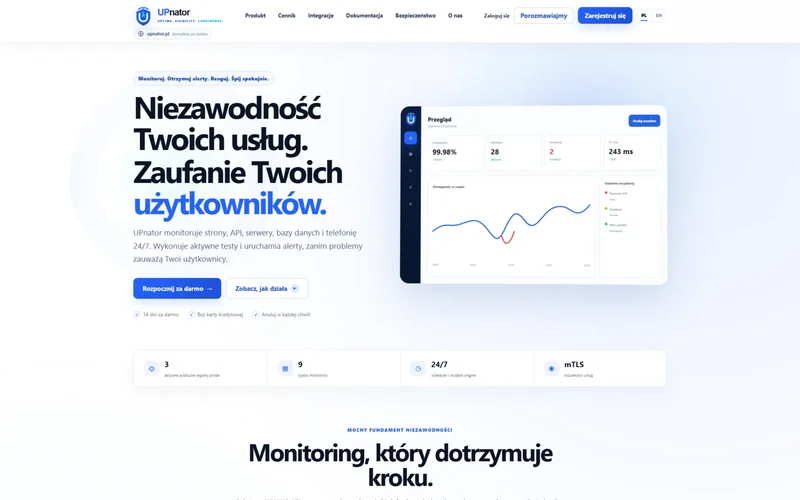
MONITORING / OBSERVABILITY
A monitoring and reliability platform for websites, APIs, servers, databases and telephony, with alerts, status pages, incident history and SLO reports.
Read the case study →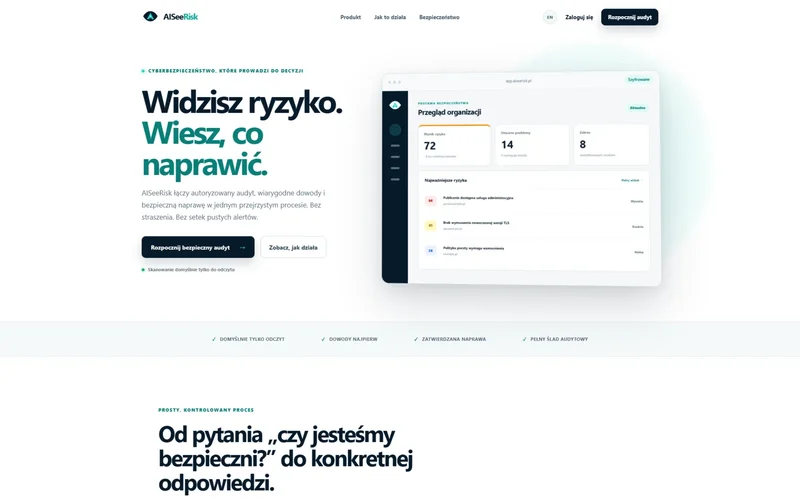
CYBERSECURITY / AI / EVIDENCE
A security audit platform combining an authorised scope, reliable evidence, risk prioritisation and controlled remediation with subsequent verification.
Read the case study →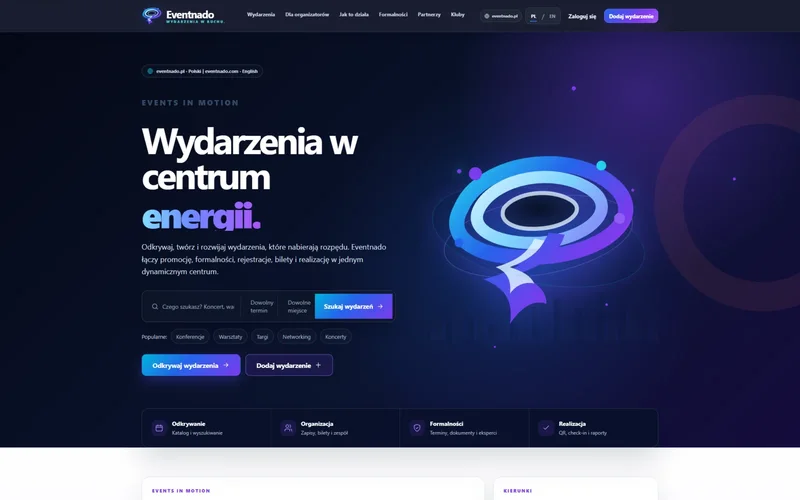
EVENTS / ORGANIZER PLATFORM
A two-sided event platform combining a catalogue and search for attendees with planning, administrative requirements, registration and event operations for organisers.
Read the case study →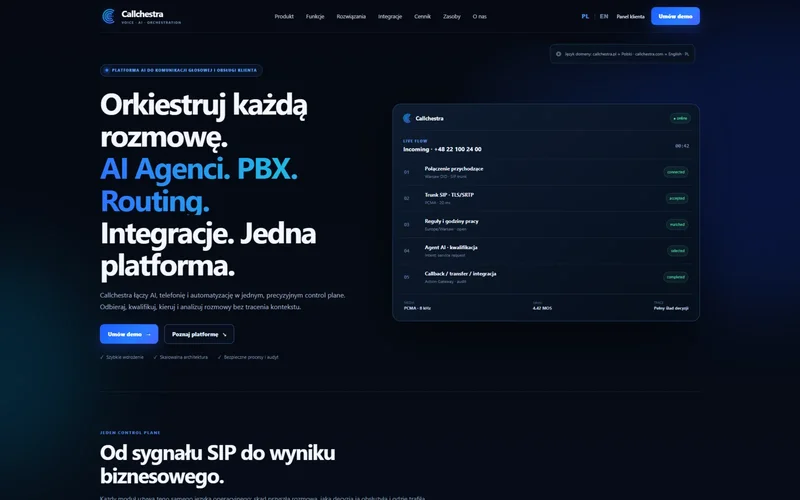
AI / VOIP / COMMUNICATION PLATFORM
A business communication orchestration platform combining AI agents, PBX, routing, workflows, call analytics and integrations in one controlled environment.
Read the case study →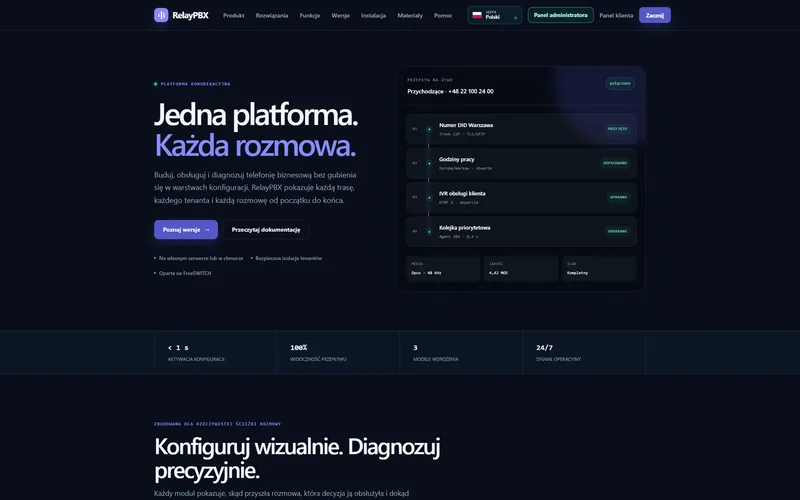
VOIP / COMMUNICATION PLATFORM
A platform for building and operating business telephony, combining visual configuration, routing, tenants, SIP diagnostics and different deployment models.
Read the case study →
COMMUNITY / AUTOMOTIVE
A community for car projects with vehicle profiles, modification histories, rankings, categories, a Spotted module and engagement features.
Read the case study →
E-COMMERCE / HANDMADE
An online shop for handmade crafts, scrapbooking and mixed media, designed around detailed product presentation, straightforward purchasing and everyday catalogue management.
Read the case study →FAQ
Yes, after checking the operating system version, dependencies and permissions. A separate container or host may be better for more complex tasks.
I use locks, operation identifiers, idempotent APIs or execution state. The specific method depends on the process and the target system.
Yes. The report scope, time zone, run days and classification rules are explicitly recorded so the result is repeatable.
Yes. Documentation covers configuration, execution, dependencies, logs, error handling and how to reproduce the task manually.
NEXT STEP
Let's map the inputs, exceptions and expected result. The best automations often start with a small, well-defined process.